space
Sep 26, 2026
Should Rocket Emissions Be Regulated Before Launches Become Routine?
By Aneesh Kukreti
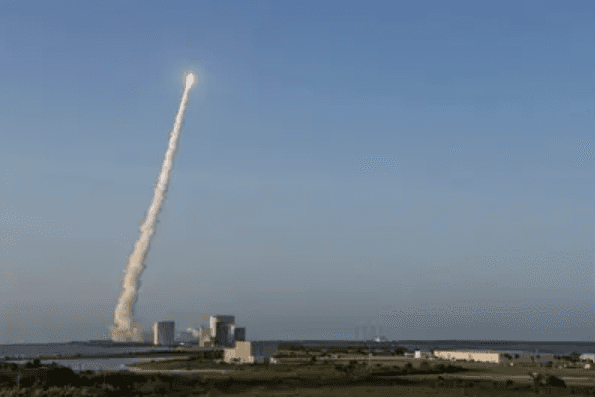
In 2024, the Federal Aviation Administration (FAA) oversaw 148 licensed commercial launches and reentries, more than a ninefold increase from 10 years prior. The FAA projects the number of launches to more than double by 2028. Compared to emissions from other transportation sectors, rocket emissions are miniscule, but the nature of their distribution is a cause for greater concern. Rockets release exhaust directly into the upper atmosphere, where pollutants behave differently than at the surface. A major international assessment found that while launches today change total ozone in the stratosphere by less than 0.1%, increasing launch rates could turn that small number into a larger policy issue.
Depending on fuel type, rocket launches can leave soot, chlorine-type chemicals, water vapor, or metal particulates. Some of this exhaust is released high in the atmosphere, where it can linger. This creates an outsized effect compared to the same emissions on the surface. Studies suggest that rocket soot can contribute to stratosphere warming and ozone interference, though the entire scale of these changes is not known. Rockets are not a major driver of climate change today, but regulators need to be cognizant of what rockets release and where it dwells–not just how much they emit.
Variance in rocket emissions complicates regulation. Blanket caps on CO2 emissions are simpler but not suited to science because they don’t address the diversity in rocket launches and chemical compositions. Launch limits would raise the cost of communications, navigation, weather forecasting, and other services dependent on satellites and regular space launches. At the same time, waiting for more evidence gives time for launching systems and businesses to become more entrenched and harder to reform.
Regulating measurement before launch volume would be more useful near-term. Disclosing propellant composition, estimated emissions by altitude, and emissions from reentry allows policymakers to better quantify impact through direct atmospheric sampling. If evidence shows that a specific compound or propellant has an outsized impact, regulators have a better picture of what limits and restrictions should be on certain propellants.
The United States already requires environmental analysis before the FAA issues launch and reentry authorizations. However, the Government Accountability Office found that 19 of 22 reviews it examined relied on earlier environmental reviews. Project-level assessments are useful for evaluating a specific proposal, but they do not by themselves create a consistent global inventory of cumulative upper-atmosphere emissions. National rules could also push launches toward jurisdictions with weaker requirements, making shared international reporting standards more useful than incompatible national estimates.
Rocket emissions do not require an aviation-style carbon regime today. They do require attention before high launch rates become normal. Monitoring will not solve every environmental effect of spaceflight, but it would give regulators the evidence needed to distinguish lower-impact systems from harmful ones without treating every rocket as if it were the same.
Image sourced via The Verge. Used for editorial purposes only. No commercial use. All rights belong to their respective owners.
More in
space
space
Sep 4, 2026
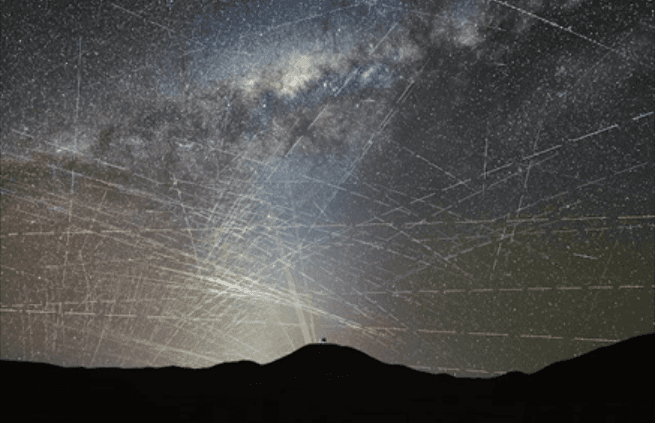
Satellite Megaconstellations
What happens when the systems built to connect Earth interfere with our ability to study the universe beyond it? By Karla Badoussi
space
Nov 23, 2025
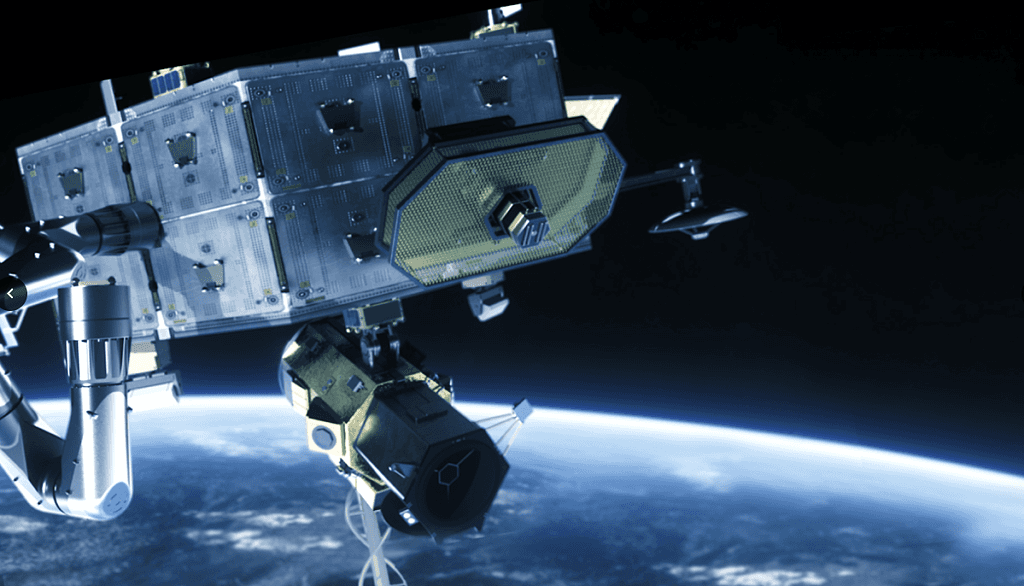
Arkisys: Building Orbital Ports to Transform Satellites from One‑Mission Assets to Upgradable Space Infrastructure
Arkisys is building modular spaceports designed for long-term servicing and refueling tha will push satellite infrastructure beyond one-and-done missions. With robotics, standard interfaces, and a “Cutter” vehicle for last-mile delivery, CEO David Barnhart envisions a future where space platforms grow, adapt, and generate recurring revenue.