research
Jun 18, 2026
Microbial Life Beyond Earth: Bacteria in Space
Harsh Patel's research explores how the introduction of microorganisms to the space environment affects behavior, gene expression, and stress-response pathways. He examines how classic bacterial growth models can be mathematically adapted to space-flight conditions.
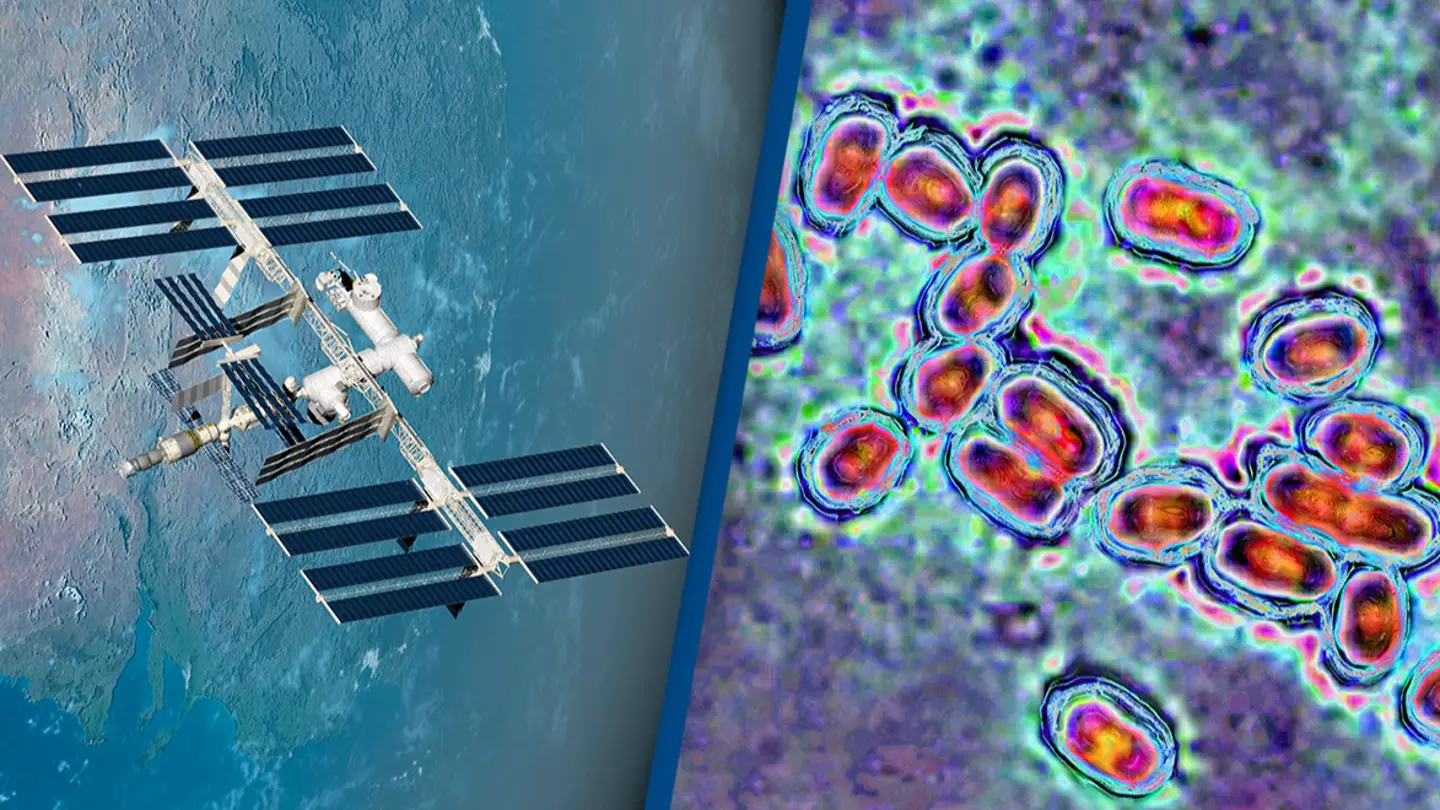
As humans prepare for longer missions to the Moon, Mars, and beyond, keeping astronauts healthy will require more than just advanced spacecraft and technology. One often-overlooked challenge is the behavior of bacteria in space.
In Microbial Life Beyond Earth: Effects of the Space Environment on Bacteria and Implications for Human Spaceflight Safety, I explore how microgravity, radiation, and other spaceflight conditions can affect bacterial growth and survival. Research from the International Space Station has shown that some microorganisms can adapt to the space environment, raising questions about astronaut health and the reliability of spacecraft systems.
Using a combination of biological research and mathematical modeling, I examine how bacterial populations may change over time in space and how factors such as cleaning procedures, filtration systems, and environmental controls can help reduce contamination risks. The paper also highlights how microbial growth can contribute to biofilm formation, equipment degradation, and challenges for life-support systems during long-duration missions.
As we move toward a future of sustained human presence beyond Earth, understanding and managing microbial life will be an important part of mission planning. Even the smallest organisms can have a big impact on the safety and success of space exploration.
Read the full research document here: Microbial Life Beyond Earth: Effects of the Space Environment on Bacteria and Implications for Human Spaceflight Safety
Image sourced via Unilad. Used for editorial purposes only. No commercial use. All rights belong to their respective owners.
More in
research
research
Sep 18, 2025
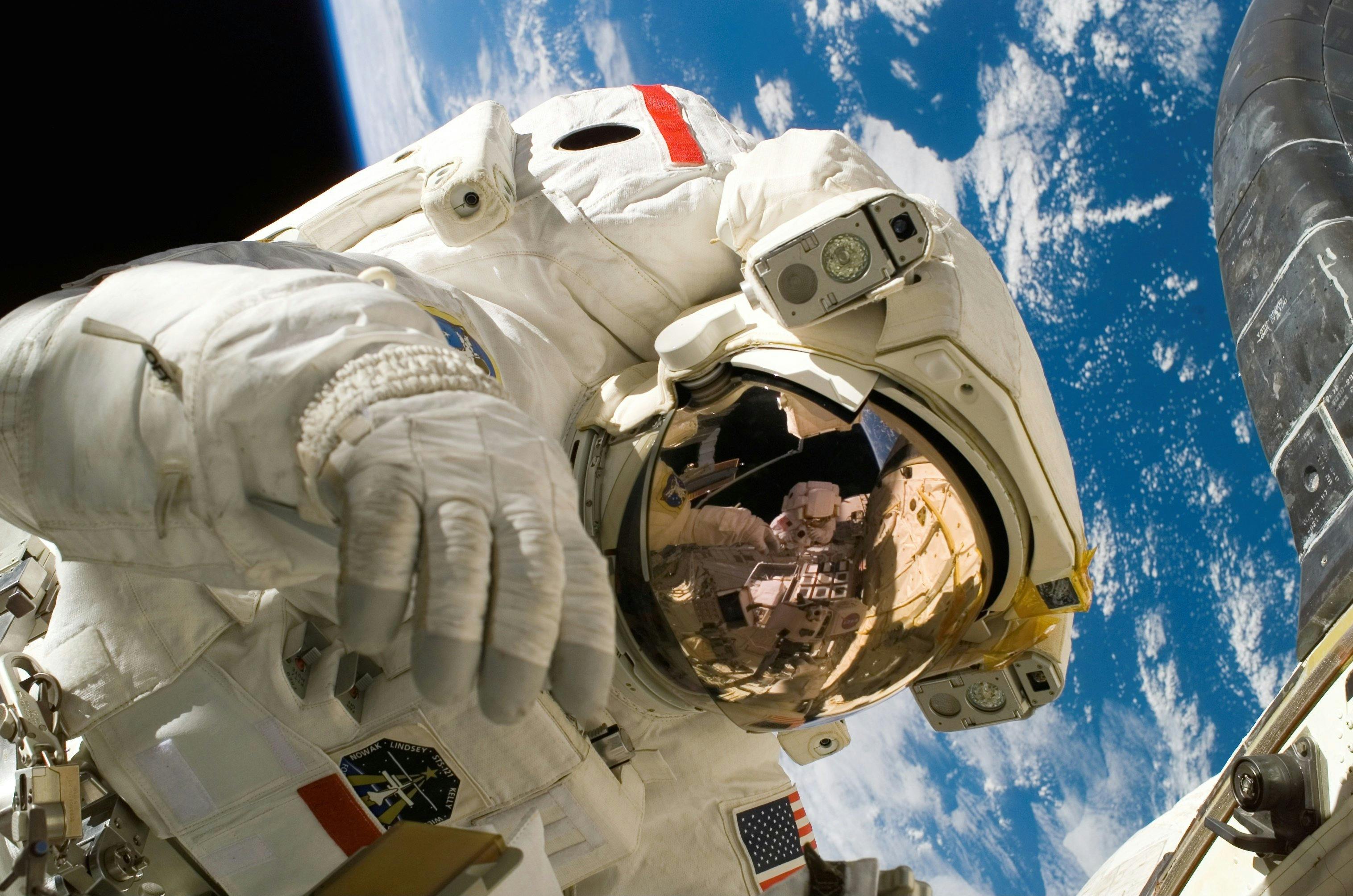
From Earth to Orbit: Microfluidic Innovations for Astronaut Health Support
Harsh Patel’s research explores how Lab-on-a-Chip microfluidic systems can monitor and protect astronaut health in space, advancing EcoAero’s mission to promote sustainable aerospace innovation and life-support technologies beyond Earth.
research
Apr 29, 2024
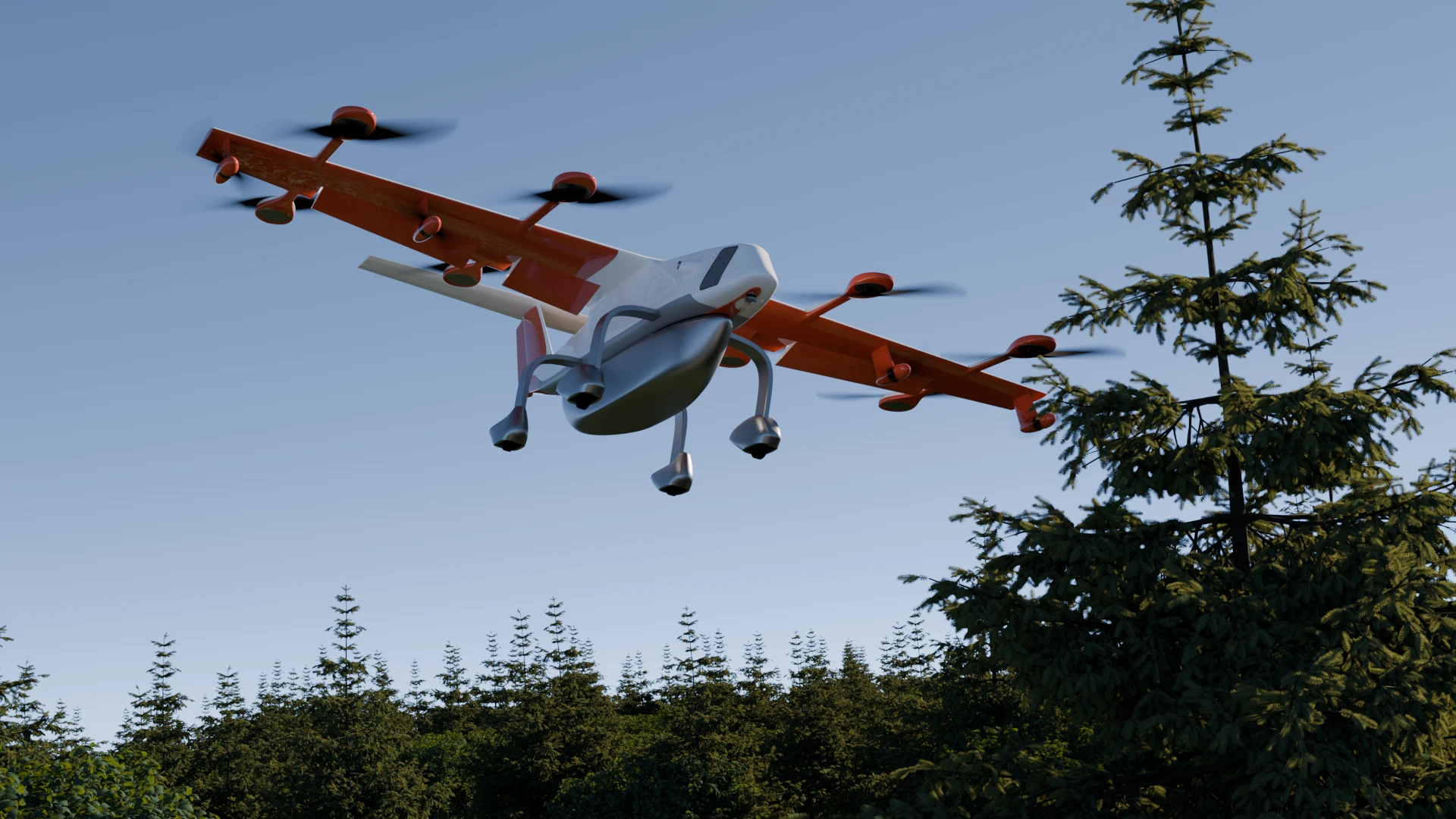
NASA ACERO and EcoAero’s Soteria: Advancing Sustainable Aerial Response for Wildfires and Floods
EcoAero presents Soteria, a sustainable VTOL drone inspired by NASA ACERO’s wildfire research designed to improve disaster response through green aviation.