aviation
Dec 26, 2024
Whisper Aero: Designing the Silent Future of Flight with Ultra-Quiet Propulsion
Whisper Aero is redesigning electric thrusters to be ultra-quiet and efficient—starting with drones and consumer devices before scaling to regional aircraft. Co-founder Ian Villa believes that lowering noise, not just emissions, is key to making clean aviation practical and widespread.
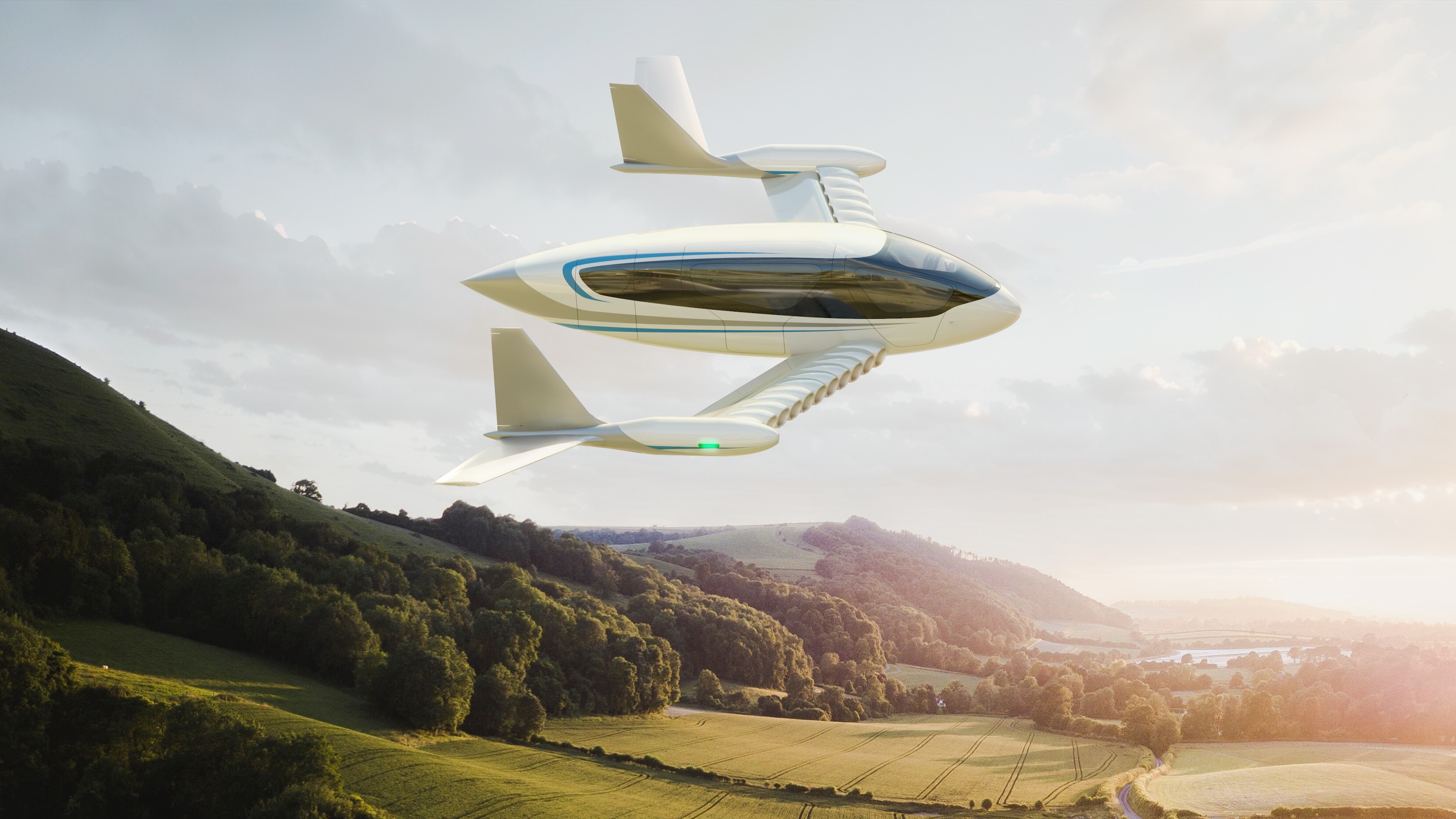
The next era of flight won’t roar overhead, it will glide past in near‑silence. Whisper Aero, co‑founded by veteran eVTOL strategist Ian Villa, is taking aim at the two biggest barriers to everyday airborne mobility: noise and cost. By re‑engineering electric propulsion to be radically quieter and more efficient, the Tennessee‑based startup hopes to make “flight anywhere, anytime” not just possible, but practical.
EcoAero had the opportunity to sit down with Villa—whose resume ranges from Northrop Grumman’s advanced‑design shop to spearheading Uber Elevate—to learn how Whisper Aero’s next‑generation thrusters may reshape urban skies, regional routes, and even the leaf‑blowers in our backyards.
Villa’s path began in Southern California, wound through Stanford’s Aero/Astro program, and accelerated when he joined Uber to broker aircraft partnerships with Boeing, Bell, Embraer, and Joby. Those years convinced him that mass adoption of electric flight hinges on acoustic acceptability: quieter craft can fly more often, driving up utilization and driving down ticket prices. Whisper Aero’s core thesis, he explained, is therefore “cleaner, quieter, more efficient thrust," a propulsion package that integrates seamlessly into wings, drones, and future regional aircraft.
Beyond the engineering breakthrough, the company’s early challenge is commercial: persuading designers steeped in legacy engines to rethink how they mount, cool, and certify an all‑electric, ultra‑low‑noise system. Instead of waiting a decade for full‑scale aircraft certification, Whisper Aero plans to validate its technology on smaller, certification‑light products—group‑1 drones, HVAC blowers, even consumer leaf‑blowers—building revenue and trust while scaling toward aviation’s strictest standards.
“So we’ve spent four years to de‑risk the technology and prove that it works. So at this point, actually, I think the R&D and the tech of it, like we’ve proven that out, I would say the hardest part is in the go‑to‑market, when you have a transformative technology that wants to be integrated into brand new ways, you can’t just, you can’t just hand someone, someone you know, brand new technology, and expect them to use it in the way that it’s intended, right?”
Looking ahead, Villa envisions Whisper Aero thrusters powering everything that moves air: drones dropping packages with a hush, regional hybrid‑electric aircraft shrinking carbon footprints, and quiet, high‑efficiency fans cooling data‑centers, self‑driving cars, and even future spacecraft life‑support systems. By licensing the design for high‑volume consumer devices and retaining tight control over aviation‑grade units, the startup hopes to seed a broad ecosystem while protecting the rigorous quality demanded aloft.
EcoAero’s mission is to spotlight innovators turning sustainability from slogan to hardware reality. Whisper Aero’s blend of acoustic ingenuity and pragmatic market entry embodies that ethos, proving that cleaner skies start with quieter engines, and that aerospace visionaries can thrive by coupling first‑principle rigor with bold execution. We’ll continue following Villa’s journey as Whisper Aero scales from drones to jetliners, ensuring our readers see (and hear) the transformation of flight before it even makes a sound.
More in
aviation

aviation
Sep 4, 2026
Hydrogen and its Role in the Future of Sustainable Commercial Aviation
Hydrogen fuel in aerospace could cut down on the vast amounts of CO2 produced in air travel and shows. Balanced systems and initiatives will help promote hydrogen fueling, but the push to decarbonize air travel is difficult and costly. By Aadya Karthik

aviation
Sep 4, 2026
Contrails: Can Smarter Flight Paths Make Aviation Greener?
Condensation trails, the vapor trails left behind planes, account for 35% of aviation's total global warming impact. Smarter architecture of flight paths and plane choices could dramatically reduce this effect. By Lakshanya Rajesh