opinion
Feb 28, 2026
Could Hybrid-Electric Planes Be the Future?
With battery limitations slowing the path to fully electric aviation, hybrid-electric systems are emerging as a practical alternative. Combining conventional engines with electric propulsion can cut emissions, improve efficiency, and provide a scalable transition toward sustainable flight. By Heer Patel
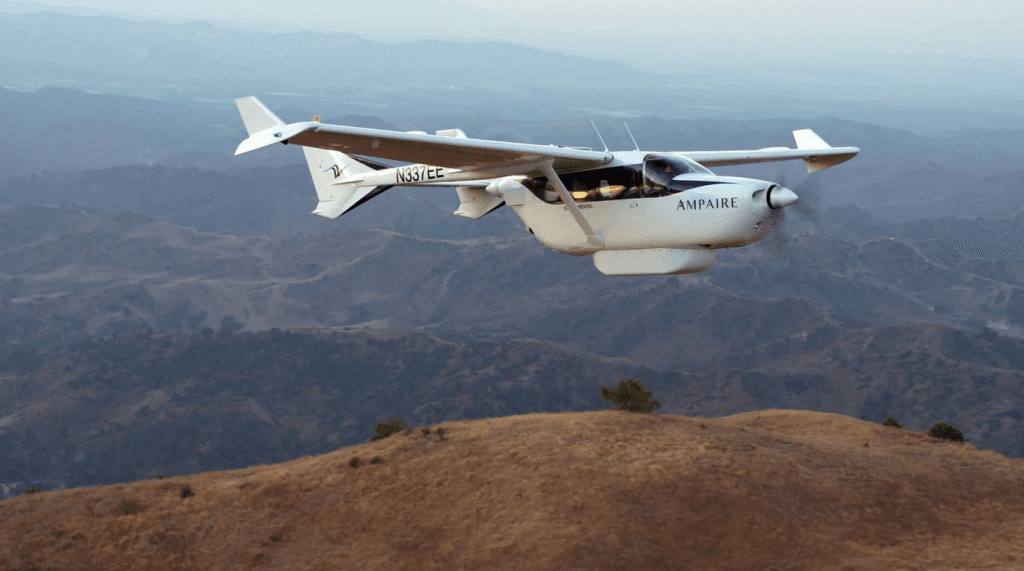
The aviation industry currently faces constant pressure towards decarbonization, this vision for a net zero flight has led to a spark of innovation in the technological field. Although completely electric aircraft are often regarded as the ultimate goal, various challenges in battery development and technology suggest that the instant future of flight could be hybrid, rather than full electric. From bridging the gap between sustainable energy and fossil fuels, hybrid-electric planes are seen as the most foreseeable and practical path to achieving net-zero emission by the year 2050.
The main barrier that is facing in electric-aviation is energy density. Currently, modern day liquid jet fuel contains roughly 43 times more energy than a similar mass equivalent battery. Large commercial aircraft, factored with the weight of the large batteries required for takeoff, cruise flight, and for safety reserves, is highly restrictive. Systems regarding hybrid-electricity tend to solve the weight restrictions by integrating both conventional internal combustion or turbogenerator engines with high-powered electric motors. This combination would allow for the usage of max-power during critical moments such as takeoff, while relying on liquid jet fuel for cruise and for backup safety reserves.
According to Susan Ying of AMP2FLY, this type of modularity would allow for instant gains. Hybrid-electric prototypes have showcased fuel savings of approximately 40% on short routes. Additionally, a propulsion system that utilizes 50% of power from an electrical drivetrain can decrease CO2 emission by roughly 50%, especially when compared to purely conventional internal combustion jet engine aircraft. When the liquid component is changed with Sustainable Aviation Fuel (SAF), the benefits regarding the environment tends to increase further, which allows for a pathway toward net-zero emissions particularly in regional flights.
More than emissions, a hybrid-electric aircraft tends to offer logistical advantages. A fully electric aircraft would require infrastructure in terms of large megawatt-scale charging areas at all airports before any flight operation could start. However, hybrid-electric aircraft could have the ability to charge their battery during flight via the usage of the conventional combustion jet engines or at airports which have been modernized. The aviation industry would have the ability to establish infrastructure in stages for charging smaller aircraft batteries in hybrid systems, without having to completely stop all operations. Currently, companies like ZeroAvia and Ampaire, are earning regulatory achievements from the FAA, by moving from testbeds to fully certified hybrid propulsion systems which can be integrated and retrofitted completely into 9 to 19-seat turboprops.
However, for hybrid-electric planes to be completely clean, the source of electricity that is used to charge the battery on the ground must be from sources that are eco-friendly and renewable. According to the World Economic Forum, charging a hybrid plane via a coal-based power grid can lead to more CO2 being emitted than traditional jet fuel. Furthermore, the manufacturing of high-density batteries can heavily impact the environment, particularly from the material extraction and battery assembly sections of manufacturing, which all must be addressed via proper practices of the circular economy.
At EcoAero, we fully recognize the usage of hybrid-electric propulsion to be a type of transformation that could be embraced in the pursuit of decarbonization in the aviation industry. Hybrid-electric technology is currently working towards revolutionizing the economy of the sky, from rapid iterative design, reduced fuel consumption, and fully utilizing and innovating upon the infrastructure of regional airports. Hybrid-electric aircraft are removing the weight, financial, and logistical barriers that have stalled the aviation industry from achieving full sustainability. These new systems aren’t simply a pathway to the future, but the catalyst to establish a clearer and more connected world.
Image sourced via Google. Used for editorial purposes only. No commercial use. All rights belong to their respective owners.
More in
opinion

opinion
Oct 3, 2026
Is GPS Really the Solution to our Navigation Problem?
By Aadya Karthik
opinion
Dec 1, 2025
Is Sustainable Aviation Fuel worth it for Military Aviation? By Aviraj Dastidar
Despite high upfront costs, sustainable aviation fuels offer long-term strategic value to the U.S. military: reducing dependence on foreign oil, stabilizing energy access during geopolitical crises, and potentially cutting future fuel costs. In this EcoAero article, Aviraj Dastidar weighs the case for green investment in defense aviation.